The best AI tools for e-shops in 2026
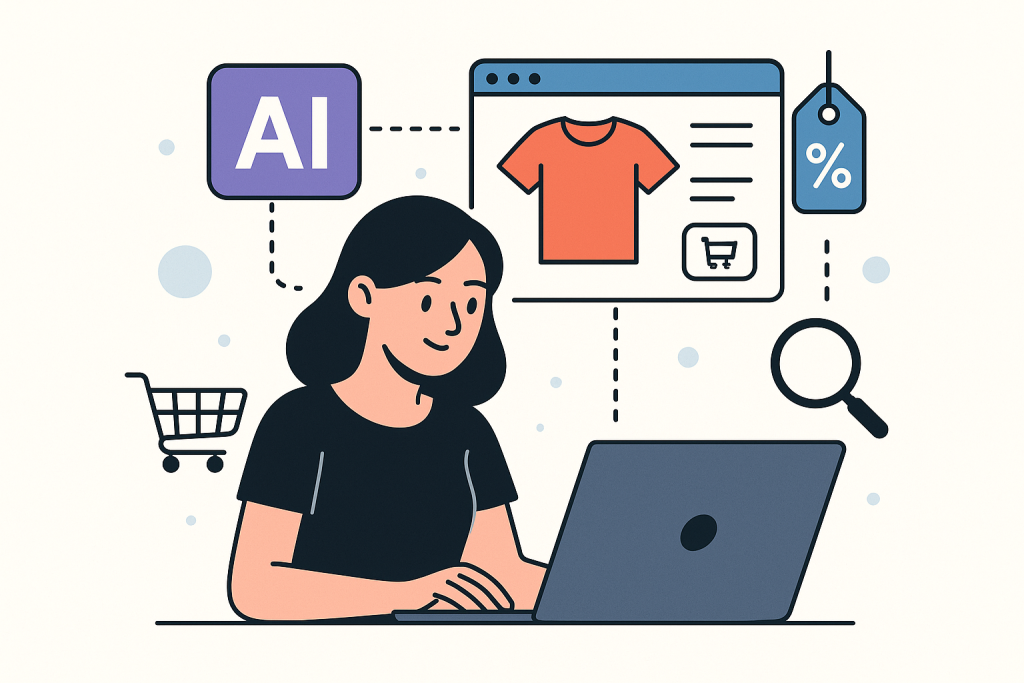
In 2026, artificial intelligence became an integral part of e-commerce. Online stores that want to remain competitive must use modern technologies that help them optimize processes, improve the customer experience, and increase sales. In this article, we will look at the best AI tools that online stores can use to achieve these goals.
Introduction to AI in e-commerce

Artificial intelligence has been developing rapidly in recent years, and its applications in e-commerce are diverse. From offer personalization to customer service automation, AI offers a wide range of possibilities for streamlining online store operations and improving customer interactions.
Best AI tools for online stores

1. Personalization tools
Personalization is a key factor in the success of an online store. Tools such as Dynamic Yield and Optimizely allow online stores to analyze customer behavior and tailor offers accordingly. These platforms use machine learning to predict customer preferences and optimize website content.
2. Chatbots and customer service automation
Chatbots such as Zendesk Chat and Intercom have become indispensable for online stores that want to provide fast and effective customer support. These tools can answer frequently asked questions, resolve issues, and even make sales, saving time and increasing customer satisfaction.
3. Predictive analytics
Tools such as Google Analytics 4 and Tableau use AI to analyze data and predict future customer behavior. These platforms help online stores better understand trends and optimize marketing strategies based on data analysis.
4. Marketing automation
AI tools such as HubSpot and Mailchimp allow online stores to automate marketing campaigns. These platforms can segment customers, personalize emails, and optimize advertising campaigns based on real-time performance.
5. Price optimization
Tools such as Prisync and Wiser use AI to analyze competitors' prices and recommend optimal pricing strategies. These platforms help online stores stay competitive and maximize profit.
Practical scenarios for using AI tools

Scenario 1: Improving the customer experience
Using personalization tools, an online store can recommend products based on a customer's previous purchases. For example, if a customer often buys sportswear, the system can automatically recommend new collections or discounts on these products.
Scenario 2: Effective marketing campaigns
Marketing automation allows online stores to launch targeted campaigns based on customer behavior. For example, if a customer abandons a shopping cart, they can automatically be sent an email reminder and a special offer to complete the purchase.
Scenario 3: Fast customer support
Chatbots can respond to customer inquiries immediately, significantly reducing response waiting times. For example, if a customer needs information about product delivery, the chatbot can provide up-to-date information within a few seconds.
Limitations of AI tools
Although AI tools bring many benefits, they also have limitations. For example:
- Ethical issues: The use of AI may raise concerns about privacy protection and ethics, especially when it comes to collecting and analyzing personal data.
- Dependence on technology: Online stores may become too dependent on AI tools, which can lead to a lack of human touch in customer service.
- High costs: Some advanced AI tools can be expensive, which may be a barrier for smaller online stores.
Frequently asked questions (FAQ)
What are the main benefits of using AI tools in online stores?
The main benefits include improving the customer experience, more effective marketing campaigns, process automation, and predictive analytics that help better understand customer behavior.
Are AI tools suitable for small online stores?
Yes, there are AI tools tailored to the needs of small online stores that offer affordable options for automating and optimizing processes.
How can I start using AI tools in my online store?
First, it is a good idea to identify the areas where AI could bring the greatest benefit. Then you can explore the various available tools and choose those that best suit your needs.
Conclusion
In 2026, AI tools became a key element of successful online stores. These technologies not only streamline processes, but also improve the customer experience and help increase sales. Online stores that decide to invest in AI will have a significant competitive advantage in the market. It is important to follow trends and continuously adapt to new technologies in order to make the most of the potential that AI offers.
Sources of illustrative images
- Stock photo: source
- Stock photo: source
- Stock photo: source
- Stock photo: source
- Stock photo: source
- Stock photo: source
The custom illustrative image was created using the OpenAI Images API.
| Service | Service description | Offer |
|---|---|---|
| NordVPN | VPN service for privacy protection and secure connections. | Open offer |
| Semrush | SEO and marketing platform for analysis and traffic growth. | Open offer |
| Make | Advanced visual automation for workflows and integrations. | Open offer |
| Hostinger | Web hosting and domains for fast website launch. | Open offer |
| Fiverr | Marketplace for freelancers and external specialists. | Open offer |
| Adobe | Creative tools for graphics, video, and digital content. | Open offer |
| Canva | Online design tool for graphics, presentations, and social media. | Open offer |
| Jasper | AI tool for marketing copy and content campaigns. | Open offer |
Note: We use affiliate links for listed services. If you purchase through them, we may earn a commission at no extra cost to you.
Doporučení ke čtení

The Best AI Tools for Copywriting in Czech (2026)

Automation of the weekly marketing report: AI + GA4 + spreadsheets without programming

Zapier vs. Make for AI automation: differences you only notice in live operation